
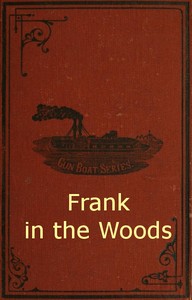
Frank in the Woods by Harry Castlemon
Let's set the scene: America is split in two by the Civil War. Frank Nelson, a sharp and capable teenager from the North, finds himself with a job that's way bigger than he is. He's given a secret dispatch—a message so important it could help the Union cause—and told to get it through Confederate-held Tennessee. His path? Straight through the wild, untamed woods, where the trees hide as many dangers as the open road.
The Story
The book follows Frank's journey step by step. It's a survival story mixed with a chase. He has to live off the land, find food, and make shelter, all while knowing that any stranger he meets could be an enemy looking to capture him. The tension comes from these close calls—narrow escapes from Confederate scouts and suspicious locals who don't trust a lone boy wandering the woods. The "woods" are both his sanctuary and his prison, protecting him but also isolating him. The whole story builds on one simple, gripping question: Can he outsmart everyone and get that message where it needs to go?
Why You Should Read It
What I love about this book is how real it feels. Harry Castlemon (a pen name for Charles Austin Fosdick) wrote these adventure stories in the late 1800s, and you can tell he knew his stuff about outdoor life. Frank isn't a superhero; he's a smart kid using common sense and woodcraft. The book is a great look at a side of the Civil War we don't often see—the quiet, tense drama happening away from the famous battlefields. It's packed with practical details about camping and tracking that are still interesting today. Frank's courage comes from his calmness and skill, not from a gun, which makes him a pretty refreshing old-school hero.
Final Verdict
This is a perfect pick for anyone who likes historical adventures, survival stories, or classic "boys' own" tales. It moves at a quick pace and doesn't get bogged down. If you enjoy books like The Call of the Wild or old wilderness movies, you'll feel right at home here. It's also a cool, accessible window into 19th-century American life and attitudes. Just be ready for some old-fashioned language—it's part of the charm. Grab this book if you want a straightforward, exciting trip to the past where every rustle in the bushes could mean trouble.
Legal analysis indicates this work is in the public domain. Use this text in your own projects freely.
Sarah Lee
8 months agoThe layout of the digital version made it easy to start immediately, the evidence-based approach makes it a very credible source of information. Definitely a five-star contribution to the field.






Ashley Anderson
11 months agoClear, concise, and incredibly informative.