
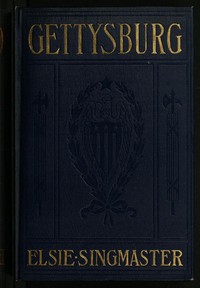
Gettysburg: Stories of the Red Harvest and the Aftermath by Elsie Singmaster
Most books about Gettysburg end when the fighting stops. Elsie Singmaster's collection of stories begins there. 'Gettysburg: Stories of the Red Harvest and the Aftermath' pulls the camera back from the generals and shows us the broken world they left behind.
The Story
This isn't one continuous plot, but a series of vivid snapshots. We meet a young boy navigating a landscape littered with relics of war, trying to make sense of it all. We follow exhausted surgeons working in makeshift hospitals, their hands stained and their supplies gone. We see families opening their homes to the wounded, their parlors turned into sickrooms. We witness the grim, necessary work of burying the dead before disease takes the living. The 'Red Harvest' of the title is brutally literal—the aftermath of the battle was a harvest of pain, loss, and a staggering cleanup job that fell squarely on the shoulders of the ordinary people of Gettysburg.
Why You Should Read It
Singmaster's writing gets under your skin because it feels so personal and immediate. She grew up hearing these stories, and it shows. There's no grand, patriotic rhetoric here. Instead, there's the smell of blood and disinfectant, the sound of flies in the heat, the weight of silence in a house missing its men. She makes you feel the sheer scale of the suffering not by listing numbers, but by focusing on one doctor's frustration, one mother's hope, one soldier's fear. It reframes the entire battle. This book argues that the real story of Gettysburg isn't just the three days of battle, but the months of aftermath that tested a community's soul.
Final Verdict
This is a must-read if you think you know the Civil War. It's perfect for readers who enjoy character-driven historical fiction, like Charles Frazier's work, but want the chilling authenticity that comes from an author steeped in local history. It's also surprisingly relevant, a deep look at how regular people cope with unimaginable trauma. Be prepared—it's not a light read. It's haunting, poignant, and will stick with you long after you finish the last page. If you're looking for a human-scale window into one of America's most defining moments, open this book.
Legal analysis indicates this work is in the public domain. Use this text in your own projects freely.
Patricia Moore
1 year agoI appreciate how this edition approaches the core problem, the emphasis on ethics and sustainability within the topic is commendable. A perfect balance of theory and practical advice.
Brian Jackson
3 months agoLoved it.
Liam Wright
11 months agoA must-have for anyone studying this subject.



Patricia Martin
5 months agoI've been looking for a reliable source on this topic, and the case studies and practical examples provided add immense value. Highly recommended for those seeking credible information.