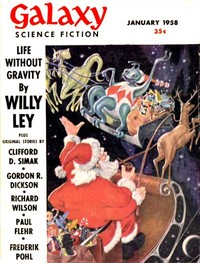
The World That Couldn't Be by Clifford D. Simak
Clifford D. Simak had a knack for taking science fiction concepts and grounding them with a pastoral, almost folksy sensibility. 'The World That Couldn't Be' is a perfect example. It’s not a epic space opera; it’s a frontier story about a man, his farm, and a pest he can’t get rid of.
The Story
The plot is straightforward but deeply engaging. Gavin Duncan is determined to make a life farming on the planet Layonne. His operation is threatened by a local creature, the Cytha, which devours his valuable droom plants. The catch? The Cytha is seemingly immortal. It doesn’t eat, breathe, or reproduce in any way science understands. It feels no pain, shrugs off bullets and poison, and simply wanders. Gavin’s struggle shifts from extermination to obsessive study. How do you fight, or even comprehend, a living thing that operates outside every law of nature you know? The story becomes a tense and philosophical hunt for a weakness that might not exist.
Why You Should Read It
What I love about this book is its patience. Simak lets the mystery of the Cytha simmer. You feel Gavin’s growing frustration and dawning reverence alongside him. This isn’t a ‘bug hunt.’ It’s a first-contact story on the smallest, most personal scale. The real conflict is between human logic and a universe that doesn’t have to play by our rules. Simak’s prose is clean and vivid, painting Layonne as a truly strange and beautiful place. The ending doesn’t offer easy answers, but it feels right—a moment of humility in the face of the cosmic unknown.
Final Verdict
This is a gem for readers who enjoy classic, idea-driven science fiction. If you’re a fan of the quiet wonder in Ray Bradbury’s stories or the ‘problem-solving’ plots of older sci-fi, you’ll feel right at home. It’s also a great pick if you find modern sci-fi too dense or militaristic. 'The World That Couldn't Be' is a short, thoughtful escape into a puzzle that’s less about winning and more about understanding. Perfect for a quiet afternoon when you want to be genuinely curious about the universe.
There are no legal restrictions on this material. Access is open to everyone around the world.
Barbara Miller
9 months agoBefore I started my latest project, I read this and the insights into future trends are particularly thought-provoking. I'll be citing this in my upcoming project.
Patricia Hernandez
5 months agoThis book was worth my time since the content flows smoothly from one chapter to the next. Exactly what I needed.
Joseph Jones
1 year agoBased on the summary, I decided to read it and the narrative structure is incredibly compelling. Highly recommended.
Jessica White
2 months agoI started reading out of curiosity and the flow of the text seems very fluid. Absolutely essential reading.
Jennifer Davis
10 months agoThought-provoking and well-organized content.